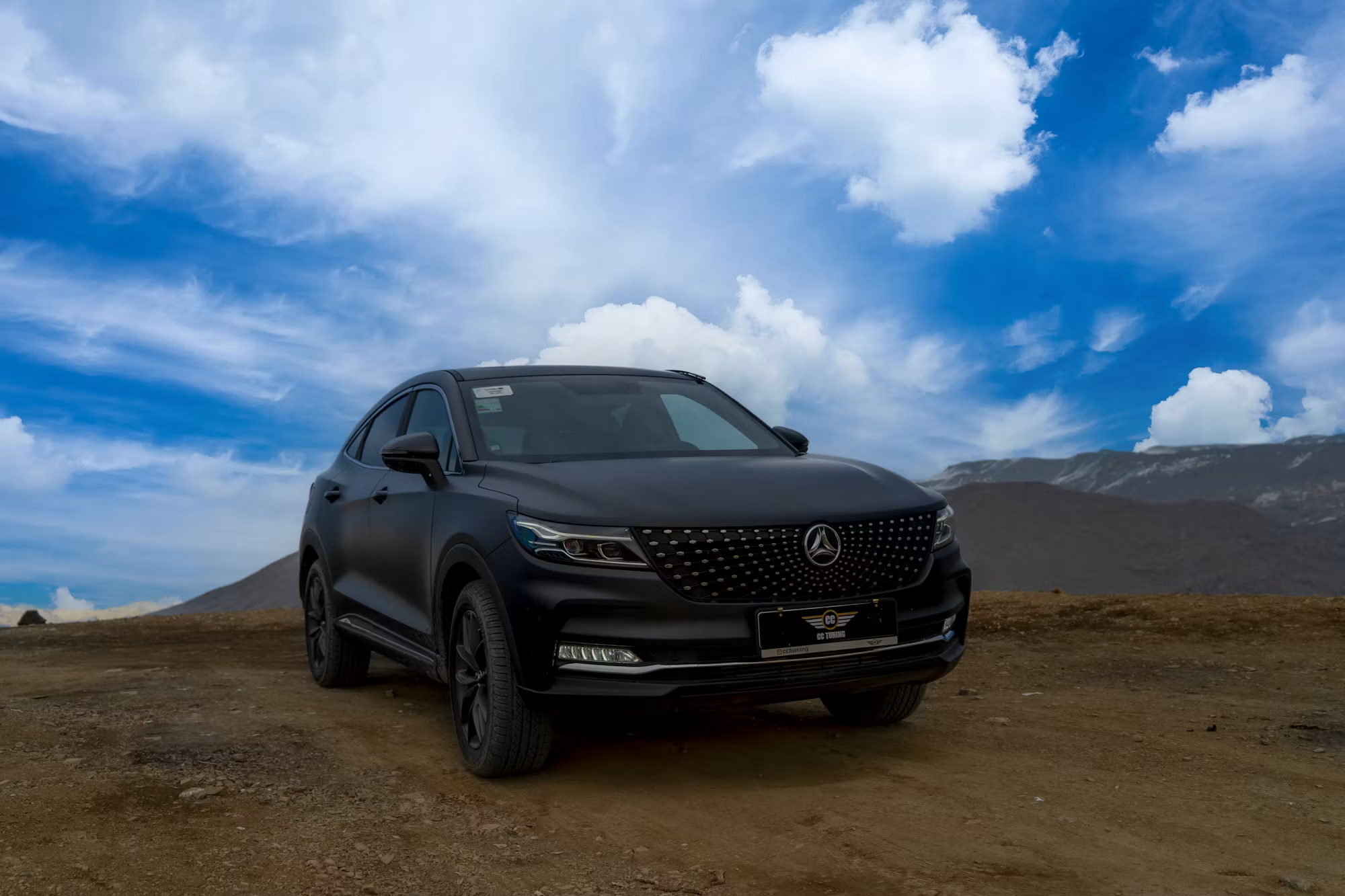

The sport utility vehicle (SUV) has taken the automotive world by storm, evolving from utilitarian workhorses into versatile vehicles that appeal to a wide array of consumers. Once designed primarily for rugged terrain and heavy-duty use, SUVs have transformed into stylish, comfortable, and technologically advanced vehicles suitable for everyday life. This article delves into the significant trends and innovations that have defined the SUV landscape, offering insights into the future of this popular vehicle segment.
The history of SUVs can be traced back to the mid-20th century, when manufacturers produced vehicles like the Jeep Wagoneer and the Ford Bronco. These early models were built for off-road adventures, featuring rugged designs and powerful engines. As time progressed, automakers began to recognize the growing demand for vehicles that combined the capabilities of an SUV with the comforts of a family car. This realization sparked a revolution in the automotive industry, giving rise to various SUV categories that cater to different consumer needs.
One of the most notable developments in recent years has been the emergence of compact SUVs. These vehicles, such as the Honda CR-V and Toyota RAV4, strike a balance between size, efficiency, and utility. Designed for urban environments, compact SUVs offer the maneuverability required for city driving while providing ample cargo space for everyday tasks. Their growing popularity reflects a shift in consumer preferences, as more buyers seek versatile vehicles that can adapt to both city commutes and weekend adventures.
As the market evolved, midsize SUVs began to capture the attention of families needing more room without stepping into the full-size category. Models like the Ford Explorer and Chevrolet Traverse became go-to options for those seeking three rows of seating and spacious interiors. These vehicles excel at accommodating family needs, with features designed for safety and convenience. With enhanced safety ratings and family-friendly amenities, midsize SUVs have established themselves as the backbone of many households.
The rise of luxury SUVs marks another significant trend in the automotive landscape. Brands like Porsche, Mercedes-Benz, and Lexus have created models that seamlessly combine opulence with practicality. Vehicles such as the Porsche Cayenne and Mercedes-Benz GLE not only deliver high performance but also offer advanced technology and premium materials. Luxury SUVs have redefined consumer expectations, proving that SUVs can provide both an adventurous spirit and an elegant driving experience. This blend of comfort and capability appeals to a growing segment of buyers who desire a high-end vehicle that fits their active lifestyles.
Technological advancements have also reshaped the SUV segment. Today’s SUVs are equipped with state-of-the-art infotainment systems, offering features like touchscreen displays, smartphone integration, and advanced navigation. The inclusion of driver-assistance technologies, such as adaptive cruise control and blind-spot monitoring, enhances the overall driving experience while promoting safety. These innovations make SUVs not only more enjoyable to drive but also more secure for families, reflecting a broader industry trend toward prioritizing safety and convenience.
The focus on fuel efficiency has become increasingly important, leading to a rise in hybrid and electric SUVs. As environmental concerns take center stage, consumers are more inclined to choose vehicles that reduce their carbon footprint. Models like the Toyota RAV4 Hybrid and the Tesla Model X showcase the industry’s shift toward sustainability. These vehicles maintain the versatility and performance associated with traditional SUVs while offering eco-friendly alternatives. The continued advancement of battery technology promises a bright future for hybrid and electric SUVs, making them appealing to environmentally conscious consumers.
Another key trend is the popularity of crossover SUVs, which blend the features of traditional SUVs with the ride quality of sedans. Vehicles like the Nissan Murano and Subaru Outback exemplify this category, focusing on comfort and practicality rather than off-road capabilities. Crossovers cater to consumers seeking a smooth driving experience with the added benefits of SUV-like cargo space. This segment reflects a growing desire for vehicles that provide versatility without compromising on comfort.
Off-road SUVs have also maintained a strong presence in the market, catering to adventure seekers who prioritize ruggedness and capability. Brands like Jeep and Land Rover continue to produce vehicles designed for off-road performance. The Jeep Wrangler and Land Rover Defender stand out for their ability to conquer challenging terrains while providing a thrilling driving experience. These vehicles symbolize the adventurous spirit that many consumers associate with SUVs, ensuring that this segment remains relevant in a changing market.
As safety regulations become more stringent, manufacturers are responding by integrating advanced safety features across their SUV lineups. Innovations such as automated emergency braking, lane-keeping assistance, and pedestrian detection have become commonplace, helping to ensure that SUVs are equipped to protect both occupants and pedestrians. The emphasis on safety is a significant selling point, particularly for families who prioritize protection in their vehicle choices.
The trend toward sustainability has also extended beyond vehicle performance to manufacturing processes. Many automakers are adopting greener practices, utilizing sustainable materials and reducing waste in production. This commitment to sustainability resonates with consumers who are increasingly aware of their impact on the environment. Brands that prioritize eco-friendly practices are likely to build stronger loyalty among consumers, as they align with the values of the modern buyer.
As we look toward the future, the SUV market is poised for further innovation and growth. With the advent of autonomous driving technology on the horizon, we can expect SUVs to become even more advanced in terms of functionality and safety. Manufacturers are investing heavily in research and development, aiming to integrate these technologies into their vehicles in a way that enhances the overall driving experience.
In conclusion, the evolution of SUVs has been marked by adaptability and innovation. From their rugged origins to their current status as family-friendly, high-tech vehicles, SUVs have transformed to meet the needs of a diverse consumer base. Trends like compact and midsize SUVs, luxury offerings, hybrid and electric models, and advancements in technology highlight the dynamic nature of this segment. As manufacturers continue to embrace sustainability and prioritize safety, the future of SUVs appears bright, ensuring their place in the automotive market for years to come. Whether for family road trips, off-road adventures, or luxurious drives, SUVs are set to remain a favorite choice for drivers around the world.